

Understanding Stainless Steel Shot: Enhancing Surface Finishing Standards
Release time:
2026-01-10
Understanding Stainless Steel Shot: Enhancing Surface Finishing Standards In the world of manufacturing and metalworking, achieving optimal surface finish is crucial. One of the most effective methods for enhancing surface finishing is through the use of stainless steel shot. This article delves into the essential role that stainless steel shot plays in meeting and exceeding surface finishing stan
Understanding Stainless Steel Shot: Enhancing Surface Finishing Standards
In the world of manufacturing and metalworking, achieving optimal surface finish is crucial. One of the most effective methods for enhancing surface finishing is through the use of stainless steel shot. This article delves into the essential role that stainless steel shot plays in meeting and exceeding surface finishing standards across various industries. We will explore its properties, applications, benefits, and the impact it has on the overall quality of finished products.
Table of Contents
- 1. Introduction to Stainless Steel Shot
- 2. Properties of Stainless Steel Shot
- 3. Applications in Surface Finishing
- 4. Benefits of Using Stainless Steel Shot
- 5. Industry Standards for Surface Finishing
- 6. Comparison with Other Abrasive Materials
- 7. Best Practices for Using Stainless Steel Shot
- 8. Frequently Asked Questions
- 9. Conclusion
1. Introduction to Stainless Steel Shot
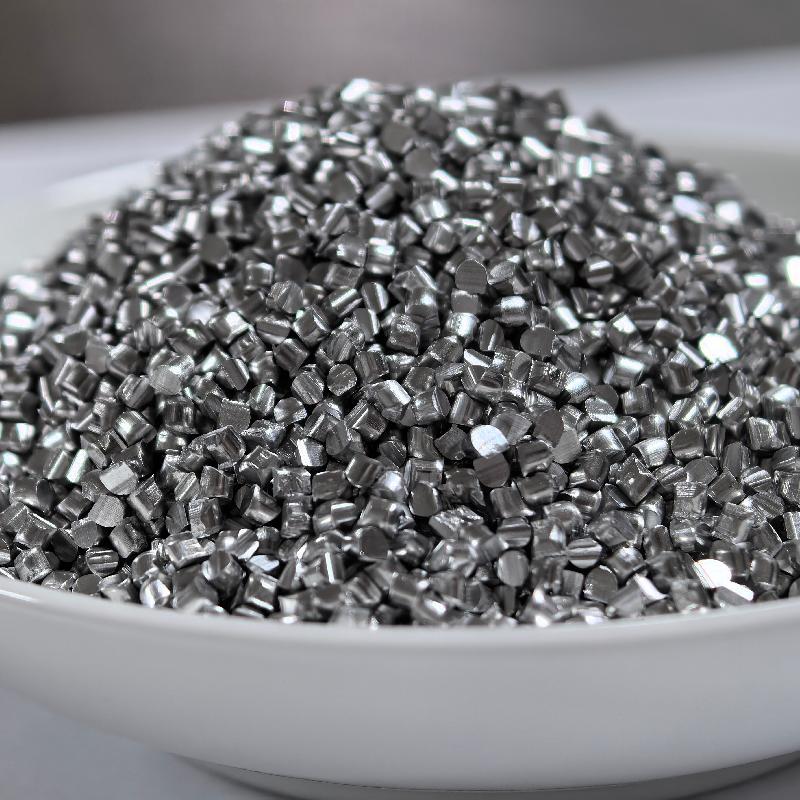
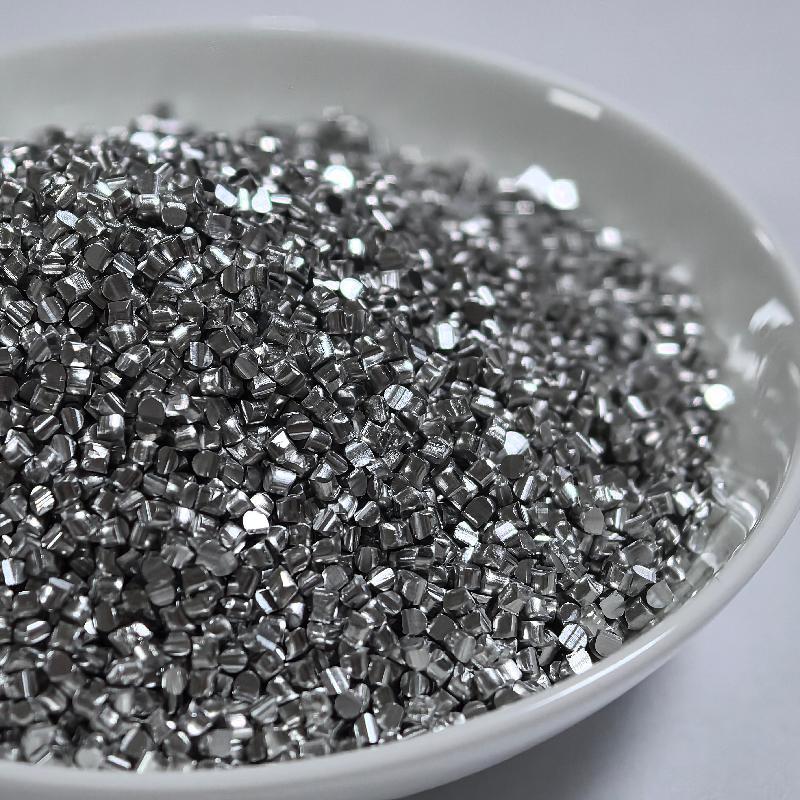
Stainless steel shot is a type of abrasive media made from high-quality stainless steel. It is utilized in various applications, particularly in surface finishing processes. This material is known for its durability, resistance to corrosion, and ability to provide a superior finish on metal surfaces. The use of stainless steel shot has become increasingly popular due to its effectiveness in achieving the desired surface quality while adhering to strict industry standards.
2. Properties of Stainless Steel Shot
Stainless steel shot possesses several physical and chemical properties that make it ideal for surface finishing:
2.1 Durability
One of the standout features of stainless steel shot is its remarkable durability. Unlike softer abrasives, stainless steel shot retains its shape and effectiveness over multiple uses, reducing the frequency of replacement and ensuring consistent performance.
2.2 Corrosion Resistance
The inherent resistance to corrosion in stainless steel shot is a key advantage. This property ensures that the shot remains effective in various environments, particularly in industries where exposure to moisture or chemicals is common.
2.3 Versatility
Stainless steel shot is versatile and can be used in various applications, including shot peening, cleaning, polishing, and surface preparation. Its ability to adapt to different processes makes it a valuable asset in the manufacturing industry.
3. Applications in Surface Finishing
Stainless steel shot is widely used in several applications, all aimed at improving surface quality and enhancing the aesthetic appeal of products.
3.1 Shot Peening
Shot peening is a critical process in the aerospace, automotive, and machinery industries. By bombarding the surface of a material with stainless steel shot, manufacturers induce compressive stresses that enhance fatigue resistance and prolong the lifespan of components.
3.2 Deburring
Deburring is essential for removing sharp edges and burrs from machined parts. Stainless steel shot effectively smooths surfaces, reducing the risk of injury during handling and improving the overall quality of the finished product.
3.3 Cleaning and Surface Preparation
In preparation for further processing, cleaning is crucial. Stainless steel shot efficiently removes contaminants, rust, and oxidation from surfaces, ensuring that the substrate is clean and ready for painting, coating, or other treatments.
4. Benefits of Using Stainless Steel Shot
The adoption of stainless steel shot in various industries is driven by numerous benefits that contribute to improved surface finishing:
4.1 Enhanced Surface Quality
Stainless steel shot leads to superior surface finishes, providing a smooth, polished look that enhances product appeal.
4.2 Cost-Effectiveness
Due to its durability and longevity, stainless steel shot offers a cost-effective solution for manufacturers. Reduced material consumption and fewer replacements translate to lower operational costs.
4.3 Environmental Considerations
Stainless steel shot is a recyclable material, making it an environmentally friendly option compared to other abrasives. This aligns with the growing emphasis on sustainability in manufacturing practices.
5. Industry Standards for Surface Finishing
Adhering to industry standards is essential for maintaining quality and safety in surface finishing processes. Organizations such as the American Society for Testing and Materials (ASTM) and the International Organization for Standardization (ISO) establish guidelines that help manufacturers meet regulatory requirements.
5.1 ASTM Standards
ASTM standards outline specific requirements for surface preparation and finishing, ensuring that products meet performance and safety criteria.
5.2 ISO Certifications
ISO certifications provide a framework for quality management systems, emphasizing the importance of consistent quality in manufacturing processes, including surface finishing.
6. Comparison with Other Abrasive Materials
While various abrasive materials exist, stainless steel shot stands out for its unique properties. A comparison with other common abrasives highlights its advantages:
6.1 Glass Beads vs. Stainless Steel Shot
Glass beads are often used for cleaning and polishing, but they lack the durability and strength of stainless steel shot. While glass beads may provide a smoother finish, they wear out more quickly, leading to increased costs.
6.2 Aluminum Oxide vs. Stainless Steel Shot
Aluminum oxide is another abrasive material used in surface finishing. However, it can generate excessive heat and may damage softer metals. Stainless steel shot, on the other hand, provides a more controlled and effective finishing process.
7. Best Practices for Using Stainless Steel Shot
To maximize the benefits of stainless steel shot, adhering to best practices is crucial:
7.1 Selecting the Right Size
Choosing the appropriate size of stainless steel shot is essential for achieving the desired finish. Smaller shot sizes may be better for intricate surfaces, while larger sizes can be effective for more robust applications.
7.2 Regular Maintenance of Equipment
Ensuring that equipment used in conjunction with stainless steel shot is well-maintained will enhance performance and prolong the life of both the shot and the machinery.
7.3 Monitoring Process Parameters
Consistently monitoring process parameters such as pressure, speed, and time is vital for achieving optimal results in surface finishing.
8. Frequently Asked Questions
8.1 What is stainless steel shot made from?
Stainless steel shot is manufactured from high-quality stainless steel, ensuring its durability and resistance to corrosion.
8.2 How is stainless steel shot different from other abrasives?
Stainless steel shot offers superior durability, corrosion resistance, and versatility compared to other abrasives like glass beads or aluminum oxide.
8.3 Can stainless steel shot be recycled?
Yes, stainless steel shot is recyclable, making it an environmentally friendly option for manufacturers.
8.4 What industries commonly use stainless steel shot?
Stainless steel shot is widely used in industries such as aerospace, automotive, manufacturing, and metal fabrication.
8.5 How do I select the right size of stainless steel shot for my application?
The right size depends on the specific application and the desired finish. Smaller shot sizes are suitable for intricate parts, while larger sizes work best for robust surfaces.
9. Conclusion
Stainless steel shot is an invaluable resource in the realm of surface finishing. Its durability, corrosion resistance, and versatility empower manufacturers to meet stringent quality standards while achieving exceptional surface finishes. By understanding its properties, applications, and best practices, industries can harness the full potential of stainless steel shot, leading to enhanced product quality and overall efficiency in manufacturing processes. Embracing this innovative abrasive media is not just a choice; it’s a commitment to excellence in surface finishing.
Previous
News

Understanding Stainless Steel Shot: Enhancing Surface Finishing Standards
Understanding Stainless Steel Shot: Enhancing Surface Finishing Standards In the world of manufacturing and metalworking, achieving optimal surface finish is crucial. One of the most effective methods for enhancing surface finishing is through the use of stainless steel shot. This article delves into the essential role that stainless steel shot plays in meeting and exceeding surface finishing stan

Exploring the Different Applications of Shot Blasting Concrete: A Comprehensive Guide
Exploring the Different Applications of Shot Blasting Concrete Table of Contents 1. Introduction to Shot Blasting 2. The Importance of Surface Preparation in Concrete 2.1 Why Surface Preparation Matters 2.2 Common Surface Preparation Methods 3. How Shot Blasting Works 3.1 The Shot Blasting Process Explained 3.2 Types of Shot Used in Concrete Applications 4. Applications of Shot B
Understanding Shot Peening: Enhancing Material Durability in Metalworking
Shot peening is a mechanical surface enhancement process that involves bombarding the surface of a material with small, spherical media known as shot. This technique is primarily used in the metalworking industry to improve the fatigue strength and overall durability of metal components. By inducing compressive residual stresses in the surface layer of the material, shot peening effectively counte
Innovations in Steel Shot Blasting Technology: What's New?
Innovations in Steel Shot Blasting Technology: What's New? Table of Contents 1. Introduction to Steel Shot Blasting Technology 2. What is Steel Shot Blasting? 3. Historical Overview of Steel Shot Blasting 4. Recent Innovations in Steel Shot Blasting Technology 4.1 Advanced Materials Used in Steel Shot Blasting 4.2 Automation and Control Systems 4.3 Improved Dust Colle
Understanding Shot Blasting: The Essential Process in Surface Preparation
Shot blasting is a crucial process in the field of surface preparation and finishing, particularly in industries that deal with metal and hardware tools. This method involves propelling abrasive materials at high speeds onto a surface to clean, smooth, or texture it. The process can significantly enhance the surface quality of components, making it an essential technique in various applications. A

Comprehensive Wheelabrator Shot Blaster Maintenance Tips for Enhanced Longevity and Optimal Performance The Wheelabrator Shot Blaster is renowned for its efficiency in surface preparation and cleaning. However, like any sophisticated machinery, it requires regular maintenance to ensure optimal performance and longevity. This article delves into practical maintenance tips that operators and technic
Contact Us
Head Office
Telephone:86-185-6327-3569 +86-15589240066
E-mail:domestic@zxabrasives.com
Address: Wangzhuang, Binhu Town, Tengzhou City, Zaozhuang City, Shandong Province, China
South Korea Branch
Telephone: 86 15589240066
Fax: 82-51-972-6649
E-mail:domestic@zxabrasives.com
Address: 29, JukDong-gil, Jukdong-Dong, Gangseo-gu, Busan, Korea


All rights reserved©Shandong Zhongxing Metal Products Co., Ltd