

Comparing Cut Wire Shot to Other Abrasives: What You Need to Know
Release time:
2026-02-07
Introduction to Abrasives: Understanding Their Role in Surface Treatment Abrasives play a critical role in various industries, including manufacturing, construction, and automotive. The right abrasive can make a significant difference in achieving the desired surface finish and performance in a project. Among the many types of abrasives available, cut wire shot stands out as a popular choice due
Introduction to Abrasives: Understanding Their Role in Surface Treatment
Abrasives play a critical role in various industries, including manufacturing, construction, and automotive. The right abrasive can make a significant difference in achieving the desired surface finish and performance in a project. Among the many types of abrasives available, cut wire shot stands out as a popular choice due to its unique characteristics and applications. In this article, we will explore cut wire shot in detail, comparing it with other commonly used abrasives, including steel shot, glass beads, and aluminum oxide. By the end of this guide, you'll have a comprehensive understanding of cut wire shot and how it fits into the broader category of abrasives.
What is Cut Wire Shot?
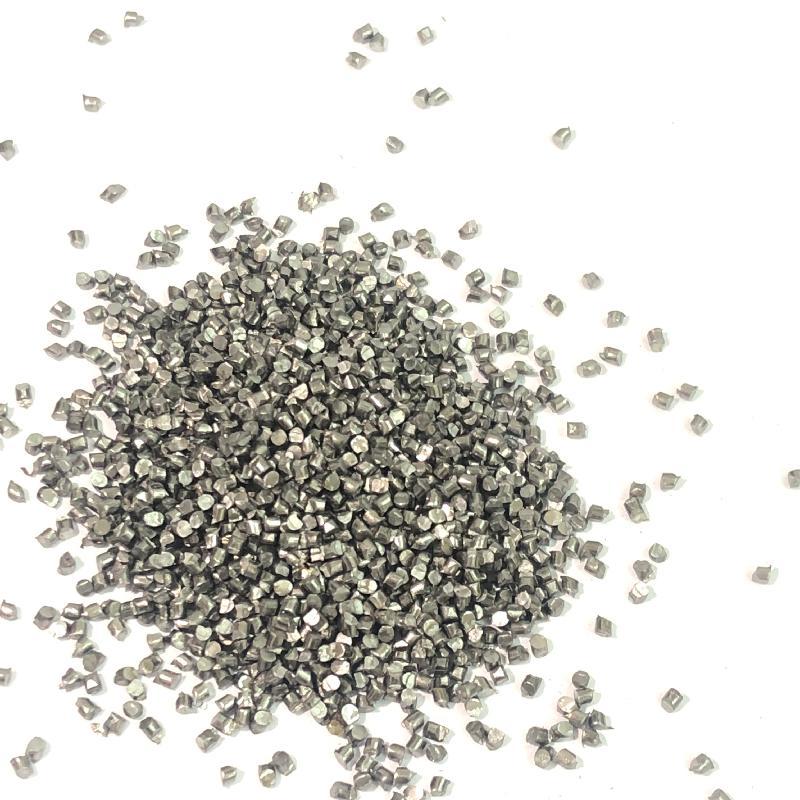
Cut wire shot is a type of abrasive made from high-quality wire that is cut into small, uniform pieces. Typically composed of carbon steel or stainless steel, cut wire shot offers a range of advantages in surface preparation and finishing applications. The uniform size and shape of cut wire shot contribute to its effectiveness in achieving consistent results.
Properties of Cut Wire Shot
To understand the benefits of cut wire shot, it’s essential to examine its key properties:
- **Uniform Size and Shape:** Cut wire shot is manufactured to precise specifications, ensuring consistency in size and shape. This uniformity is crucial for achieving even surface finishes.
- **Durability:** Made from high-quality steel, cut wire shot is robust and long-lasting. It can withstand repeated use without degrading, making it a cost-effective option in the long run.
- **Minimal Dust Production:** One of the significant advantages of cut wire shot is its low dust generation during use, which helps maintain a cleaner work environment.
Comparing Cut Wire Shot to Other Abrasives
When choosing an abrasive for your project, it's vital to consider how cut wire shot compares to other popular options. Here, we will analyze cut wire shot against three other common abrasives: steel shot, glass beads, and aluminum oxide.
1. Cut Wire Shot vs. Steel Shot
Steel shot is another prevalent abrasive made from spherical steel pellets. While both cut wire shot and steel shot are effective in surface preparation, they have distinct differences:
- **Shape:** Steel shot is spherical, whereas cut wire shot has a more angular shape. This difference affects how they interact with the surface being treated. Cut wire shot tends to produce a more aggressive cleaning action due to its sharper edges.
- **Applications:** Cut wire shot is often preferred for applications that require more aggressive surface preparation, such as removing rust or scale. In contrast, steel shot is commonly used for peening and shot blasting processes.
Advantages of Cut Wire Shot Over Steel Shot
- **Faster Cleaning Action:** The angular shape of cut wire shot allows for more effective cleaning in a shorter time.
- **Lower Wear on Equipment:** Due to its unique shape, cut wire shot can reduce wear on equipment compared to steel shot.
2. Cut Wire Shot vs. Glass Beads
Glass beads are often used as a gentler abrasive, primarily for polishing and finishing applications. Here’s how cut wire shot and glass beads compare:
- **Abrasiveness:** Cut wire shot is more aggressive than glass beads. This makes it suitable for heavy-duty cleaning and surface preparation, while glass beads are optimal for achieving a smooth finish without removing too much material.
- **Surface Finish:** Glass beads tend to produce a smoother finish compared to cut wire shot, making them more suitable for applications where aesthetics are a priority.
Choosing Between Cut Wire Shot and Glass Beads
- **Application Requirements:** If your project requires aggressive cleaning or surface preparation, cut wire shot is the better choice. For applications focused on polishing and achieving a smooth finish, glass beads may be more appropriate.
- **Material Compatibility:** Consider the material of the workpiece. Cut wire shot can be harsher on softer materials, while glass beads are less likely to cause damage.
3. Cut Wire Shot vs. Aluminum Oxide
Aluminum oxide is a widely used abrasive known for its hardness and durability. Here's a comparison between cut wire shot and aluminum oxide:
- **Durability:** Both abrasives are durable, but aluminum oxide is often more aggressive and durable than cut wire shot, making it suitable for heavy-duty applications.
- **Cost:** Cut wire shot is generally more cost-effective than aluminum oxide, which can be an essential factor for larger projects.
When to Use Cut Wire Shot Over Aluminum Oxide
- **Budget Considerations:** For projects with strict budget constraints, cut wire shot can provide great performance at a lower cost.
- **Specific Cleaning Needs:** If your project requires a balance of cleaning power without excessive wear on the workpiece, cut wire shot may be the preferred option.
Applications of Cut Wire Shot
Cut wire shot is versatile and can be used across various industries and applications. Here are some of the most common uses:
1. Surface Preparation
Cut wire shot is widely used for surface preparation, particularly in industries such as automotive and aerospace. It effectively removes contaminants, rust, and old paint, preparing surfaces for painting and coating.
2. Peening Processes
In the manufacturing sector, cut wire shot is frequently used in shot peening processes to improve the fatigue strength of metal components. The compressive stresses induced by shot peening enhance the durability of parts subjected to cyclic loading.
3. Cleaning Metal Surfaces
Cut wire shot is an excellent choice for cleaning metal surfaces, particularly in foundries and fabrication shops. Its ability to remove scale and oxidation makes it a reliable option for maintaining the integrity of metal components.
Cost-Effectiveness of Cut Wire Shot
While cost is an essential factor in selecting an abrasive, the long-term financial implications of using cut wire shot can be significant. Let’s explore some facets of cost-effectiveness:
1. Longevity
Cut wire shot is highly durable, allowing for extended use without frequent replacements. This durability can lead to substantial cost savings over time.
2. Reduced Waste
The low dust generation associated with cut wire shot means minimal waste during the blasting process. This characteristic not only keeps costs down but also contributes to a cleaner work environment.
Choosing the Right Abrasive: Factors to Consider
Selecting the right abrasive for your project requires careful consideration of several factors. Here are some critical points to keep in mind:
1. Application Requirements
Understanding the specific needs of your application is crucial. Determine whether you need aggressive cleaning or a more gentle finish, and choose an abrasive accordingly.
2. Material Compatibility
Consider the type of material you will be working with. Some abrasives may cause damage to softer materials, while others may be too gentle for harder surfaces.
3. Cost Constraints
Evaluate your budget and consider the long-term costs associated with each abrasive, including replacement frequency and waste generation.
Frequently Asked Questions (FAQs)
1. What is cut wire shot made of?
Cut wire shot is typically made from high-quality steel, either carbon steel or stainless steel, which enhances its durability and performance.
2. Can cut wire shot be reused?
Yes, cut wire shot can be reused multiple times as long as it remains in good condition, contributing to cost savings.
3. Is cut wire shot environmentally friendly?
Cut wire shot produces minimal dust, making it a cleaner option compared to some other abrasives, which can be beneficial for the environment.
4. What industries commonly use cut wire shot?
Cut wire shot is used in various industries, including automotive, aerospace, manufacturing, and construction, for applications such as surface preparation and cleaning.
5. How does cut wire shot compare in safety to other abrasives?
Cut wire shot is generally safe to use, but appropriate safety measures should always be taken, such as wearing protective gear and ensuring proper ventilation during use.
Conclusion
In summary, cut wire shot is a highly effective abrasive with distinct characteristics that make it suitable for various applications in surface preparation, cleaning, and peening processes. By comparing cut wire shot to other abrasives, such as steel shot, glass beads, and aluminum oxide, we can appreciate its unique advantages, including enhanced cleaning action, durability, and cost-effectiveness. Understanding the benefits and applications of cut wire shot will help you make informed decisions for your projects, ensuring you choose the right abrasive for your specific needs. With careful consideration of application requirements, material compatibility, and budget constraints, cut wire shot can be a valuable addition to your abrasive toolkit.
News
Comparing Cut Wire Shot to Other Abrasives: What You Need to Know
Introduction to Abrasives: Understanding Their Role in Surface Treatment Abrasives play a critical role in various industries, including manufacturing, construction, and automotive. The right abrasive can make a significant difference in achieving the desired surface finish and performance in a project. Among the many types of abrasives available, cut wire shot stands out as a popular choice due
A Comprehensive Beginner's Guide to Shot Blasting Equipment and Tools
A Comprehensive Beginner's Guide to Shot Blasting Equipment and Tools Table of Contents 1. Understanding Shot Blasting: An Overview 2. Types of Shot Blasting Equipment 3. Essential Tools for Shot Blasting 4. Choosing the Right Shot Blasting Machine 5. Safety Measures in Shot Blasting Operations 6. Common Shot Blasting Techniques 7. Maintenance of Shot Blasting Equipmen

Steel Cut Wire Shot vs. Traditional Abrasives: A Comparative Analysis Introduction to Abrasive Materials Abrasives play a crucial role in various industries, particularly in surface finishing processes. They are essential for cleaning, polishing, and preparing surfaces for subsequent treatment. Two of the most prominent types of abrasives are **Steel Cut Wire Shot** and **Traditional Abrasives**.
Understanding Shot Blasting Steel Shot: Applications and Advantages
--- Shot blasting steel shot is a crucial component in the surface preparation and finishing processes across various industries. This technique involves propelling steel shots at high velocity onto a surface, effectively cleaning, polishing, or strengthening the material. The following sections will provide a detailed overview of steel shot's applications, properties, and advantages. ### Applicat

Understanding Stainless Steel Shot: Enhancing Surface Finishing Standards
Understanding Stainless Steel Shot: Enhancing Surface Finishing Standards In the world of manufacturing and metalworking, achieving optimal surface finish is crucial. One of the most effective methods for enhancing surface finishing is through the use of stainless steel shot. This article delves into the essential role that stainless steel shot plays in meeting and exceeding surface finishing stan

Exploring the Different Applications of Shot Blasting Concrete: A Comprehensive Guide
Exploring the Different Applications of Shot Blasting Concrete Table of Contents 1. Introduction to Shot Blasting 2. The Importance of Surface Preparation in Concrete 2.1 Why Surface Preparation Matters 2.2 Common Surface Preparation Methods 3. How Shot Blasting Works 3.1 The Shot Blasting Process Explained 3.2 Types of Shot Used in Concrete Applications 4. Applications of Shot B
Contact Us
Head Office
Telephone:86-185-6327-3569 +86-15589240066
E-mail:domestic@zxabrasives.com
Address: Wangzhuang, Binhu Town, Tengzhou City, Zaozhuang City, Shandong Province, China
South Korea Branch
Telephone: 86 15589240066
Fax: 82-51-972-6649
E-mail:domestic@zxabrasives.com
Address: 29, JukDong-gil, Jukdong-Dong, Gangseo-gu, Busan, Korea


All rights reserved©Shandong Zhongxing Metal Products Co., Ltd