Blog

  • Steel Shot vs Steel Grit: Which Abrasive Should You Choose?
    Steel Shot vs Steel Grit: Which Abrasive Should You Choose?
    Jul 01, 2026
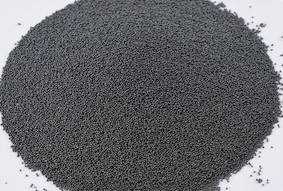
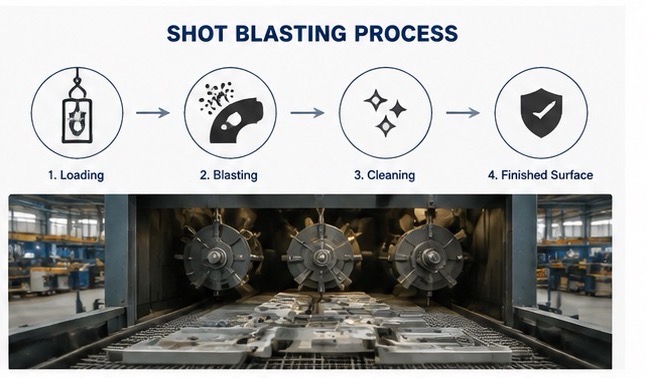
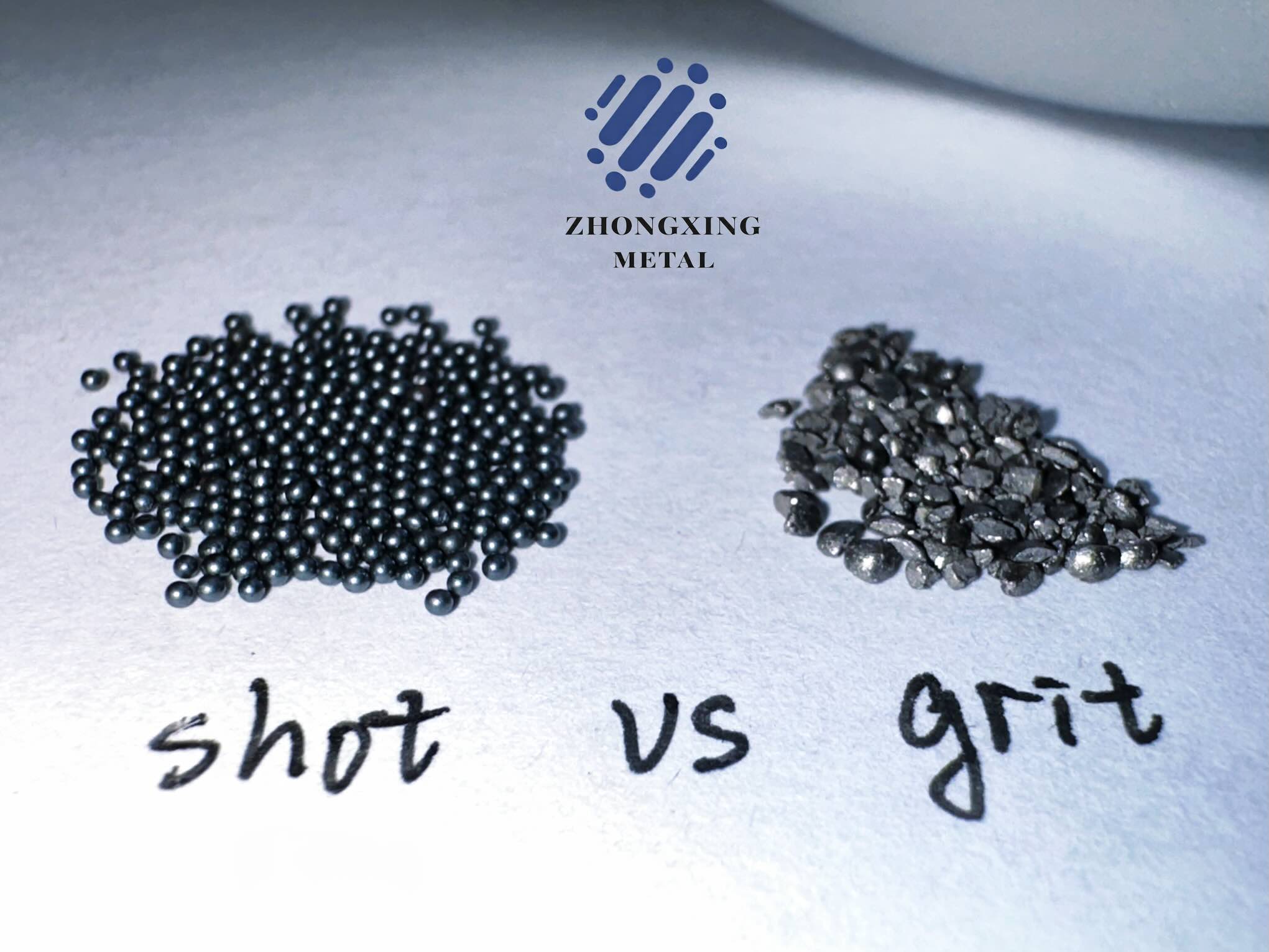
    1. Introduction Steel shot and steel grit are both Industrial Metallic Abrasives used for shot blasting, surface cleaning and surface preparation. The main difference is their particle shape and surface effect. Steel shot is spherical and cleans mainly by impact, creating a smoother surface finish. Steel grit is angular and cuts the surface more aggressively, creating a stronger surface profile for rust removal, descaling and coating preparation. Choosing the right abrasive depends on the workpiece, surface condition, cleaning requirement and final surface target. 2. What Is Steel Shot? Steel shot is a Spherical Metallic Abrasive used for shot blasting, surface cleaning, casting cleaning, desanding and shot peening. Because of its round particle shape, steel shot mainly cleans metal surfaces through impact force rather than cutting action.   During blasting, steel shot strikes the workpiece surface to remove sand residues, light rust, oxide scale and surface contaminants. Compared with angular steel grit, steel shot usually creates a smoother and more uniform surface finish, making it suitable for applications where aggressive roughening is not required. Feature Steel Shot Particle Shape Spherical / round Main Action Impact cleaning Surface Effect Smoother and more uniform finish Common Uses Casting cleaning, desanding, general shot blasting, shot peening Suitable Workpieces Castings, forgings, machinery parts, automotive components and steel parts System Type Closed shot blasting systems   Steel shot is widely used in foundries, steel fabrication, machinery manufacturing, automotive parts production and metal surface treatment industries. It is commonly selected when customers need stable cleaning performance, controlled surface finish and good abrasive recyclability.   As a recyclable metallic abrasive, steel shot can be reused many times in closed blasting systems. Stable particle size, controlled hardness and good durability help customers improve blasting efficiency, reduce abrasive consumption and achieve consistent surface treatment results. 3.What Is Steel Grit? Steel grit is an Angular Metallic Abrasive used for shot blasting, rust removal, descaling and surface preparation. Unlike spherical steel shot, steel grit has sharp edges and mainly cleans metal surfaces through cutting action.   During blasting, steel grit cuts into the workpiece surface to remove rust, mill scale, old coatings and other surface contaminants. Because of its angular shape, it can create a rougher surface profile, also known as an anchor profile, which helps improve coating adhesion. Feature Steel Grit Particle Shape Angular / sharp-edged Main Action Cutting and profiling Surface Effect Rougher surface profile / anchor profile Common Uses Rust removal, descaling, old coating removal, surface preparation Suitable Workpieces Steel structures, plates, castings, welded parts, tanks and machinery components Coating Applications Painting, powder coating and anti-corrosion coating preparation   Steel grit is commonly used before painting, powder coating and anti-corrosion coating when the surface needs stronger roughness and better mechanical adhesion. It is widely applied in steel fabrication, shipbuilding, bridge construction, foundries, machinery manufacturing and industrial surface treatment.   As a recyclable metallic abrasive, steel grit can be reused in closed blasting systems. Choosing the right steel grit size helps customers balance cleaning efficiency, surface roughness, coating adhesion and total blasting cost. 4. Steel Shot vs Steel Grit: Key Differences and Selection Guide 4.1When Should You Choose Steel Shot? Steel shot is a better choice when the customer needs general shot blasting, casting cleaning, desanding, shot peening or a smoother surface finish. Because of its round shape, steel shot cleans the workpiece surface by repeated impact without aggressive cutting.   It is commonly used for castings, forgings, machinery parts, automotive components and steel workpieces that require stable cleaning performance and controlled surface finish.   Recommended steel shot options include: Requirement Recommended Product General casting cleaning and desanding S230 / S280 / S330 Steel Shot Medium-duty shot blasting S330 / S390 Steel Shot Stronger impact cleaning S460 / S550 Steel Shot Lower breakage and lower dust Low Carbon Steel Shot Higher durability and stable performance ST Series Steel Shot   4.2 When Should You Choose Steel Grit? Steel grit is a better choice when the customer needs strong rust removal, thick oxide scale removal, old coating removal or surface preparation before painting and coating. Because of its angular shape, steel grit cuts the metal surface and creates a stronger anchor profile.   It is commonly used for steel structures, steel plates, shipbuilding parts, tanks, welded components, castings and heavy machinery parts that require better coating adhesion.   Recommended steel grit options include: Requirement Recommended Product Heavy-duty blasting and deep surface profile G10 / G12 Steel Grit Strong cleaning with controlled roughness G14 / G16 / G18 Steel Grit General surface preparation before coating G25 / G40 Steel Grit Fine cleaning and controlled surface finish G50 / G80 / G120 Steel Grit   In simple terms, choose steel shot when you need impact cleaning, desanding, shot peening or a smoother finish. Choose steel grit when you need stronger cutting power, rust removal, descaling or surface roughening before coating. 5.How Zhongxing Metal Helps You Choose the Right Abrasive Shandong Zhongxing Metal supplies a wide range of metallic abrasives, including steel shot, steel grit, cut wire shot, stainless steel cut wire shot, low carbon steel shot and conditioned shot. These products are widely used for shot blasting, casting cleaning, desanding, rust removal, descaling, deburring and surface preparation before coating.   For general casting cleaning, desanding and smoother surface cleaning, steel shot is usually recommended. For rust removal, mill scale removal, old coating removal and surface preparation before painting or anti-corrosion coating, steel grit is often a better choice. For shot peening, deburring and applications requiring more uniform impact performance, cut wire shot or conditioned shot can also be selected according to the workpiece requirement.   Choosing the right abrasive depends on many factors, such as workpiece material, surface condition, blasting equipment, required surface finish and cost target. Our technical team can help customers select suitable abrasive types, sizes and hardness according to real production needs.   Before bulk orders, we can provide sample testing and trial support to help customers evaluate cleaning efficiency, surface finish and abrasive consumption. After delivery, we also provide after-sales support to help customers solve problems related to abrasive selection, blasting performance and product use.   With stable product quality, reliable supply capability and professional technical support, Zhongxing Metal helps customers choose the right abrasive media and achieve more stable blasting results.
    Read More
  • How Can Steel Grit Improve Surface Roughness Before Coating?
    How Can Steel Grit Improve Surface Roughness Before Coating?
    Jun 10, 2026
    Surface roughness is one of the most important factors in coating performance. Before painting, powder coating or protective coating, metal surfaces usually need to be cleaned and roughened to create a suitable surface profile. This profile helps the coating bond more strongly to the substrate and improves long-term corrosion protection.   Steel grit, particularly Cast Steel Grit for Surface Preparation, is one of the most effective abrasive media for this process. Because of its angular shape and strong cutting ability, steel grit can remove rust, mill scale and old coatings while creating a controlled rough surface for better coating adhesion.   1. Why Surface Roughness Matters Before Coating A coating does not perform well on a surface that is too smooth, contaminated or covered with rust and oxide scale. If the surface profile is not suitable, the coating may have poor adhesion, uneven thickness, premature peeling or reduced corrosion resistance.   Proper surface roughness helps create a mechanical anchor pattern. This allows the coating to grip the metal surface more effectively. For steel structures, tanks, pipes, machinery parts and heavy-duty components, a stable surface profile is essential for coating durability.   However, roughness must be controlled. If the surface is too smooth, coating adhesion may be weak. If the surface is too rough, it may require more coating material and increase the risk of uneven coverage. That is why abrasive selection is important.   2. How Can Steel Grit Improve Surface Roughness Before Coating? Surface roughness is an important factor in coating performance. Before painting, powder coating or anti-corrosion coating, metal surfaces need to be cleaned and roughened to create a suitable surface profile for better coating adhesion.   Steel grit, acting as an excellent Abrasive Steel Grit for Rust Removal, is effective for this process because its angular shape and strong cutting action can remove rust, mill scale and old coatings while creating a controlled rough surface. In surface preparation, ISO 8501 is used to evaluate surface cleanliness after blast cleaning, while ISO 8503 is used to assess the surface profile or roughness before coating. The goal is not simply to make the surface rougher, but to achieve the right balance between cleanliness, surface profile and coating requirements.   ISO 8501 focuses on visual cleanliness. It helps determine whether the steel surface has been cleaned to the required preparation grade before coating.   ISO 8501: Surface Cleanliness After Blast Cleaning ISO 8501 Preparation Grade Meaning Typical Use Before Coating Sa 1 Light blast cleaning Removes loose rust, loose mill scale and loose contaminants. Usually used for low-demand cleaning. Sa 2 Thorough blast cleaning Removes most mill scale, rust and foreign matter. Suitable for general industrial surface preparation. Sa 2½ Very thorough blast cleaning Removes visible oil, grease, dirt, mill scale, rust and old coatings. Any remaining traces should only appear as slight stains or strips. Commonly used for industrial protective coating. Sa 3 Blast cleaning to visually clean steel Surface is cleaned to a uniform metallic appearance. Used for high-performance coating systems or demanding anti-corrosion applications.   For many steel structure, tank, pipeline and heavy-duty coating applications, Sa 2½ is commonly required. For more demanding corrosion protection, Sa 3 may be specified.   ISO 8503: Surface Roughness and Surface Profile After the surface reaches the required cleanliness level, the next question is whether the surface profile is suitable for coating adhesion. This is where ISO 8503 becomes important. ISO 8503 evaluates the roughness characteristics of blast-cleaned steel substrates. In practical inspection, ISO surface profile comparators can be used to visually and tactilely compare the blasted surface and classify the profile grade. ISO 8503 Surface Profile Grade General Meaning Relationship with Steel Grit Blasting Fine Profile Relatively shallow surface profile Suitable for thinner coating systems or applications where excessive roughness should be avoided. Medium Profile Moderate and controlled surface profile Commonly used for many industrial coating and anti-corrosion applications. Coarse Profile Deeper surface profile Suitable for heavy-duty coating systems, thick coatings or surfaces requiring stronger mechanical adhesion.   When steel grit is used for surface preparation, the surface profile is usually angular because steel grit cuts into the surface and creates sharp peaks and valleys. This profile can improve mechanical bonding between the coating and the steel substrate.   Typical Surface Profile Reference After Steel Grit Blasting Surface Profile Requirement Approximate Profile Range Suitable Application Steel Grit Selection Direction Fine Profile 25–50 μm Thin coatings, light surface preparation, components requiring moderate roughness Finer steel grit Medium Profile 50–85 μm General protective coating, steel structures, machinery parts, tanks and pipelines Medium steel grit, commonly used for coating preparation Coarse Profile 85–120 μm or higher Heavy-duty anti-corrosion coating, severe rust removal, thick coating systems Coarser steel grit or harder grit depending on project requirements   A surface that is too smooth may reduce coating adhesion. A surface that is too rough may increase coating consumption and create uneven coverage. Therefore, the correct roughness should always match the coating supplier’s technical specification, project standard and customer requirement.   Why Steel Grit Is Effective for Controlled Surface Roughness Compared with round steel shot, steel grit has an angular shape and stronger cutting ability. During blasting, steel grit removes rust, mill scale and old coatings while creating a roughened anchor profile on the metal surface. This helps achieve three important results: 1. The surface becomes cleaner and better prepared for coating. 2. The coating can bond more strongly through mechanical anchoring. 3. A controlled surface profile can improve coating consistency and long-term corrosion protection.   For coating preparation, steel grit is especially suitable for steel structures, bridges, tanks, pipelines, shipbuilding, machinery parts and other applications where surface profile and coating adhesion are critical.   3.  Steel Grit vs Steel Shot Before Coating Steel shot and steel grit are both metallic abrasives, but they create different surface effects.   Steel shot is spherical. It mainly cleans the surface through impact and produces a smoother finish. It is suitable for general cleaning, desanding and applications where a less aggressive surface is required.   Steel grit is angular. It cuts the surface more aggressively and creates a stronger surface profile. This makes it more suitable for coating preparation, heavy rust removal, mill scale removal and applications that require better coating adhesion.   For customers who need a clean and rough surface before coating, an Angular Steel Grit for Coating is usually the preferred option.   How to Choose the Right Steel Grit? Different coating systems and workpieces require different surface profiles. Choosing the right steel grit requires consideration of the workpiece material, surface condition, coating requirement, blasting equipment and required roughness.   In steel grit selection, SAE J444 is commonly used as a reference standard for cast steel shot and steel grit size classification. This standard defines common grit size numbers such as G10, G12, G14, G16, G18, G25, G40, G50 and G80. These grit size numbers help users select suitable abrasive media according to the required cleaning strength and surface profile.   In general, coarser steel grit can create a deeper surface profile and stronger cutting effect, making it suitable for heavy rust removal, thick mill scale removal and large steel structure preparation. Finer steel grit can create a more moderate and uniform profile, making it suitable for thinner coatings, smaller parts or applications where excessive roughness should be avoided.   Steel Grit Size Reference Grit Characteristics Surface Treatment Effect Suitable Applications Steel Grit Size Reference Grit Characteristics Surface Treatment Effect Suitable Applications G10 / G12 / G14 / G16 / G18 Coarser steel grit Creates a deeper surface profile with stronger cutting action Heavy rust removal, thick mill scale removal, large steel structures, heavy-duty coating preparation G25 / G40 Medium steel grit Provides a balanced surface profile, combining cleaning efficiency and coating adhesion General coating preparation, steel structures, machinery parts, anti-corrosion surface preparation G50 / G80 Finer steel grit Creates a finer and more uniform surface profile Thin coatings, small workpieces, light surface preparation, applications where excessive roughness should be avoided   However, grit size is not the only factor that determines the final surface roughness. Steel grit hardness, blasting pressure, wheel speed, impact angle, substrate hardness and initial surface condition can all influence the final surface profile. Therefore, SAE J444 can help guide steel grit size selection, but the actual surface roughness should still be verified according to the coating specification and project requirements.   Influencing Factor Impact on Surface Roughness Steel Grit Size Coarser grit usually creates a deeper profile, while finer grit creates a more uniform and shallower profile Steel Grit Hardness Higher hardness provides stronger cutting ability and faster profile creation Blasting Pressure / Wheel Speed Higher impact energy usually increases cleaning intensity and surface roughness Impact Angle Different impact angles affect cutting action and surface profile shape Substrate Hardness Harder substrates may require higher impact energy or a more suitable grit size to achieve the required profile Initial Surface Condition Rust, mill scale and old coating thickness affect cleaning efficiency and final surface results   Steel grit hardness is also important. Harder grit can provide stronger cutting performance and create the surface profile more quickly, while softer grit may be more suitable for less aggressive cleaning and longer media life under certain working conditions.   A suitable steel grit should help customers balance cleaning speed, surface profile, coating consumption and total blasting cost. The goal is not simply to choose the coarsest or hardest grit, but to select the right grit size and hardness according to the required surface preparation result.   4. How Zhongxing Metal Supports Surface Preparation Shandong Zhongxing Metal Products Co., Ltd. provides steel grit for surface preparation, rust removal, descaling and coating preparation applications. Our steel grit is designed to support strong cutting performance, controlled surface roughness and stable blasting results.   We offer different steel grit sizes and hardness options to match various customer requirements. According to the workpiece material, surface condition, coating specification and blasting equipment, we can help recommend suitable abrasive media for practical production needs.   For customers in steel structures, foundries, machinery manufacturing, shipbuilding and surface treatment industries, choosing the right steel grit can help improve blasting efficiency, coating adhesion and overall surface preparation quality.   With stable product quality, reliable supply capability and professional technical support, Zhongxing Metal has established long-term cooperation with many domestic and international shipyards, steel structure companies, foundries and machinery manufacturers. Shipbuilding and heavy-duty anti-corrosion coating applications require strict surface preparation quality, where grit size consistency, hardness control, cutting performance and durability directly affect blasting efficiency, surface profile and coating adhesion.   Through controlled production and strict quality inspection, Zhongxing Metal focuses on product consistency and batch stability. Our steel grit products have gained recognition from customers in both domestic and overseas markets for stable cleaning results, controlled surface roughness and reliable performance in continuous blasting operations.   In the future, Zhongxing Metal will continue to provide reliable steel grit solutions for shipbuilding, steel structures, bridge construction, foundries, machinery manufacturing and industrial surface treatment, helping customers improve blasting efficiency, coating adhesion and total surface preparation cost control.
    Read More
  • How to Select the Right Abrasive Media for Shot Blasting?
    How to Select the Right Abrasive Media for Shot Blasting?
    Jun 02, 2026
    Why does one blasting line clean steel plates quickly while another line struggles with the same rust grade? Why does a surface look clean but still fail coating inspection? Why does abrasive consumption rise even when the purchase specification has not changed? In most cases, the answer is not a single factor. It is usually the combination of abrasive shape, particle size, hardness, machine condition, and surface requirement.   Abrasive media selection is an engineering decision, not just a purchasing item. Steel grit is chosen for cutting action and surface profile. Steel shot is used when cleaning and peening are more important than sharp roughness. Stainless steel cut wire is used when iron contamination must be avoided. Copper cut wire is selected for softer metallic finishing on compatible non-ferrous parts.   Start with the Surface Requirement, Not the Abrasive Name Before choosing an abrasive, define what the surface must look like after blasting. A casting shop may need to remove burnt-on sand and oxide scale. A steel structure fabricator may need a surface profile suitable for epoxy coating. A stainless component manufacturer may need contamination-free cleaning without carbon steel residue. These are different engineering problems.   In most industrial blasting applications, three targets must be controlled: cleanliness, roughness, and productivity. Cleanliness is the removal of rust, mill scale, sand, coating, or heat-treat scale. Roughness is the anchor profile left on the surface. Productivity is the time and abrasive consumption needed to achieve the required result. If one of these is ignored, the blasting process becomes unstable.   Engineering Target What It Means in Production Why It Matters Cleanliness Removal of rust, scale, sand, paint, or oxide Poor cleanliness causes coating failure, welding issues, or rejected castings Surface profile Controlled roughness after blasting Too low reduces coating adhesion; too high increases paint consumption Cycle time Minutes required per batch or per square meter Directly affects production capacity and energy cost Abrasive durability How long media remains usable before breakdown Controls replenishment rate, dust load, and operating cost Substrate safety No distortion, denting, contamination, or over-blasting Prevents scrap, rework, and dimensional problems Media Shape: Why Steel Grit Cuts Differently from Steel Shot Media shape has a major effect on surface profile. Steel shot is generally round. It peens the surface, removes light scale, and leaves a smoother profile. Steel grit is angular. It cuts into the surface and creates a sharper anchor pattern. Cut wire shot starts as cylindrical particles and gradually conditions during use, giving a more consistent working mix than many irregular abrasives.   For coating preparation, angular grit is often preferred because it creates a more aggressive surface profile. For peening, deburring, and cleaning where the surface should not be too sharp, round shot or conditioned cut wire may be more suitable. For non-ferrous or stainless parts, media material becomes just as important as shape, because cross-contamination can create corrosion risk.   Abrasive Type Typical Shape Main Action Best-Fit Applications Steel shot Round Peening and cleaning Castings, forgings, descaling, shot peening, general cleaning Steel grit Angular Cutting and profiling Steel plates, structures, coating preparation, heavy rust removal Stainless cut wire Cylindrical, then conditioned Clean impact with low contamination risk Stainless steel, aluminum, precision parts, food-grade equipment Copper cut wire Cylindrical Soft metallic cleaning and finishing Copper alloy parts, non-ferrous surfaces, decorative finishing Particle Size: The Main Driver of Impact Energy Larger particles carry more impact energy. Smaller particles provide more surface coverage per kilogram. This is why coarse media can remove heavy scale faster, while fine media often produces a more uniform finish on smaller or thinner parts. The mistake many buyers make is assuming that larger always means better. In reality, large particles can over-profile the surface, reduce coverage, and increase wear inside the blast machine.   For example, G25 Steel Grit for Blasting is commonly selected when the job requires a strong cutting action and a measurable anchor profile. It can work well on steel structures, plates, and components that need coating adhesion. However, if the substrate is thin or the coating specification requires a fine profile, a smaller grit size may be safer.   Media Size Range Relative Impact Surface Coverage Typical Engineering Use Fine grades Low to medium High Light rust, thin parts, finishing, small castings Medium grades Medium Balanced General cleaning, fabrication parts, medium scale Coarse grades High Lower Heavy rust, thick scale, large castings, coating preparation Very coarse grades Very high Low Severe contamination, heavy plate, robust castings Chart: How Abrasive Size Changes Blasting Behavior The chart below shows a practical engineering relationship. Values are relative indicators for comparison, not fixed laboratory numbers. Actual results depend on wheel speed, air pressure, abrasive flow rate, workpiece hardness, angle of impact, and machine condition. Abrasive Size Category Cleaning Power Surface Coverage Typical Profile Depth Fine ■■■□□□□□□□ 30% ■■■■■■■■□□ 80% Low Medium ■■■■■■□□□□ 60% ■■■■■■□□□□ 60% Medium Coarse ■■■■■■■■□□ 80% ■■■■□□□□□□ 40% Medium to high Very coarse ■■■■■■■■■□ 90% ■■■□□□□□□□ 30% High Hardness and Durability: Why Cheap Media Can Cost More Abrasive hardness affects both cleaning speed and breakdown rate. A harder particle cuts faster, but if it is too brittle, it may fracture quickly and generate fines. Softer media may last longer in some conditions, but it may clean slowly or fail to produce the required profile. The best media must hold a stable working mix inside the machine.   In wheel blast machines, unstable media causes several problems: high dust load, inconsistent surface finish, reduced visibility, separator overload, and faster wear of blades and liners. Engineers should not judge abrasive quality only by the first batch result. A useful test should run long enough to measure consumption rate and working mix stability.   Measured Item Good Sign Warning Sign Abrasive breakdown Stable particle size distribution after repeated cycles Rapid increase in dust and fines Cleaning speed Required cleanliness reached within target cycle time Repeated blasting needed for the same part Machine wear Normal blade, liner, hose, and nozzle life Maintenance interval becomes shorter after media change Surface consistency Similar roughness and appearance across batches Patchy finish or unstable surface profile When to Use Stainless Steel Cut Wire Carbon steel abrasives are not suitable for every substrate. When blasting stainless steel, aluminum, zinc die castings, or components that must remain free from iron contamination, using carbon steel media can create later corrosion problems. Small embedded iron particles may rust after exposure to moisture, even when the base material itself is corrosion resistant.   This is where Stainless Steel Cut Wire Shot becomes valuable. It is commonly used when the surface must be cleaned without introducing carbon steel residue. In engineering terms, the benefit is not only appearance; it is contamination control. Industries such as food machinery, medical equipment, stainless fabrication, valves, and aluminum components often require this extra control.   Workpiece Material Risk with Carbon Steel Media Recommended Direction Stainless steel Embedded iron contamination and later rust staining Use stainless cut wire or approved non-ferrous media Aluminum Surface discoloration or excessive impact damage Use softer or contamination-controlled media Copper alloy Color change and surface contamination Use copper or other compatible media Carbon steel Usually acceptable Steel shot or steel grit depending on profile requirement When Copper Cut Wire Makes Engineering Sense Copper cut wire is not selected for aggressive descaling. It is selected when the surface needs softer metallic impact, color compatibility, or controlled finishing on non-ferrous components. Compared with steel media, copper is softer and less aggressive, which makes it useful for parts where surface damage must be reduced.   For example, Copper Cut Wire Shot Media may be used for copper alloy parts, electrical components, decorative hardware, and certain finishing operations where carbon steel contamination is unacceptable. The key is to match the media material with the workpiece material and the final appearance requirement.   Machine Type Changes the Abrasive Decision The same abrasive can perform differently in different equipment. A wheel blast machine throws abrasive at high volume and is efficient for plates, beams, castings, and batch production. An air blast system gives more control but depends heavily on air pressure, nozzle distance, and operator technique. A tumble belt machine exposes parts differently from a hanger-type machine.   Before changing media, engineers should inspect the blasting system. Worn wheel blades, poor separator adjustment, damaged screens, low air pressure, and dust collector problems can all look like abrasive failure. In many plants, the media gets blamed when the real problem is machine condition.   Machine Type Common Abrasive Choice Engineering Checkpoint Wheel blast machine Steel shot, steel grit, cut wire Check wheel wear, abrasive flow, separator efficiency Air blast room Steel grit, cut wire, specialty media Check air pressure, nozzle size, hose condition Tumble belt machine Steel shot or smaller cut wire Avoid part-on-part damage and over-blasting Hanger-type machine Shot, grit, or cut wire depending on part Confirm shadow areas and rotation coverage Abrasive Selection Matrix for Common Problems The following matrix gives a practical starting point. It should not replace testing, but it helps narrow the selection before requesting samples or quotations.   User Problem Likely Cause Recommended Media Direction What to Test Rust removal is too slow Media too small, worn machine, low impact energy Medium or coarse steel grit Cycle time, roughness, dust level Paint adhesion is poor Insufficient surface profile or poor cleanliness Angular steel grit Profile depth and cleanliness grade Stainless parts show rust stains later Carbon steel contamination Stainless cut wire Contamination test after blasting Thin parts are dented Media too large or impact too strong Smaller shot or softer media Flatness, edge condition, surface profile Dust collector load is high Media breakdown or poor separation Higher durability media; inspect separator Fines percentage and replenishment rate How to Run a Useful Abrasive Trial A proper abrasive trial should be controlled. Use the same machine, same part type, same blasting time, same loading quantity, and same inspection method. If possible, test two media sizes side by side. Do not rely only on operator comments such as “it looks cleaner” or “it feels faster.” Record numbers.   Trial Data How to Measure Why It Matters Cycle time Minutes per batch or per square meter Shows production efficiency Abrasive top-up Kg added per shift Shows consumption and breakdown Surface roughness Profile gauge or roughness tester Confirms coating suitability Cleanliness Visual standard or inspection grade Confirms whether blasting target is reached Rework rate Percentage of parts blasted again Shows hidden cost Cost per Ton vs. Cost per Finished Part Purchasing teams often compare abrasives by unit price. Engineers should push the calculation further. The real cost includes abrasive consumption, electricity, machine wear, labor, dust collection, rework, and coating performance. A lower-priced abrasive that breaks quickly may be more expensive in daily production.   Cost Factor Low-Quality Media Impact Better Media Impact Purchase price Lower initial cost Higher initial cost Consumption rate Often higher due to breakdown Lower if media has stable durability Dust generation Higher filter load and cleaning work Cleaner operating environment Cycle time May be longer Can be shorter with correct media Rework Higher if finish is inconsistent Lower with stable working mix What Engineers Should Ask Before Ordering Abrasive Media A clear inquiry helps the supplier recommend the right product. Instead of asking only for price, provide technical details. The most useful information includes workpiece material, thickness, surface condition, blasting machine type, required roughness, current media, current problem, monthly consumption, and target delivery time.   If the job is coating preparation, include the coating system and required profile range. If the job is casting cleaning, include casting material, sand condition, and target cycle time. If the job involves stainless or non-ferrous parts, state whether iron contamination is acceptable. These details prevent wrong media selection and reduce testing time.   Information to Provide Example Workpiece material Carbon steel plate, stainless steel part, aluminum casting, copper alloy component Surface condition Light rust, mill scale, heat scale, burnt sand, old coating Machine type Wheel blast, air blast, tumble belt, hanger type, blast room Required result Coating profile, clean casting, satin finish, contamination-free surface Current problem Slow cleaning, high dust, roughness too high, rust stains after blasting   The most reliable abrasive choice comes from matching the media to the surface problem, machine condition, and inspection requirement. Steel grit is a strong choice when the surface needs cutting action and coating profile. Stainless cut wire is better when contamination control matters. Copper cut wire is useful when softer metallic finishing is required on compatible non-ferrous parts. A short controlled trial with recorded data will usually save more money than choosing only by catalog grade or ton price.
    Read More

  • Green and Smart Manufacturing: A New Trend in the Steel Abrasives Industry
    Green and Smart Manufacturing: A New Trend in the Steel Abrasives Industry
    May 14, 2026
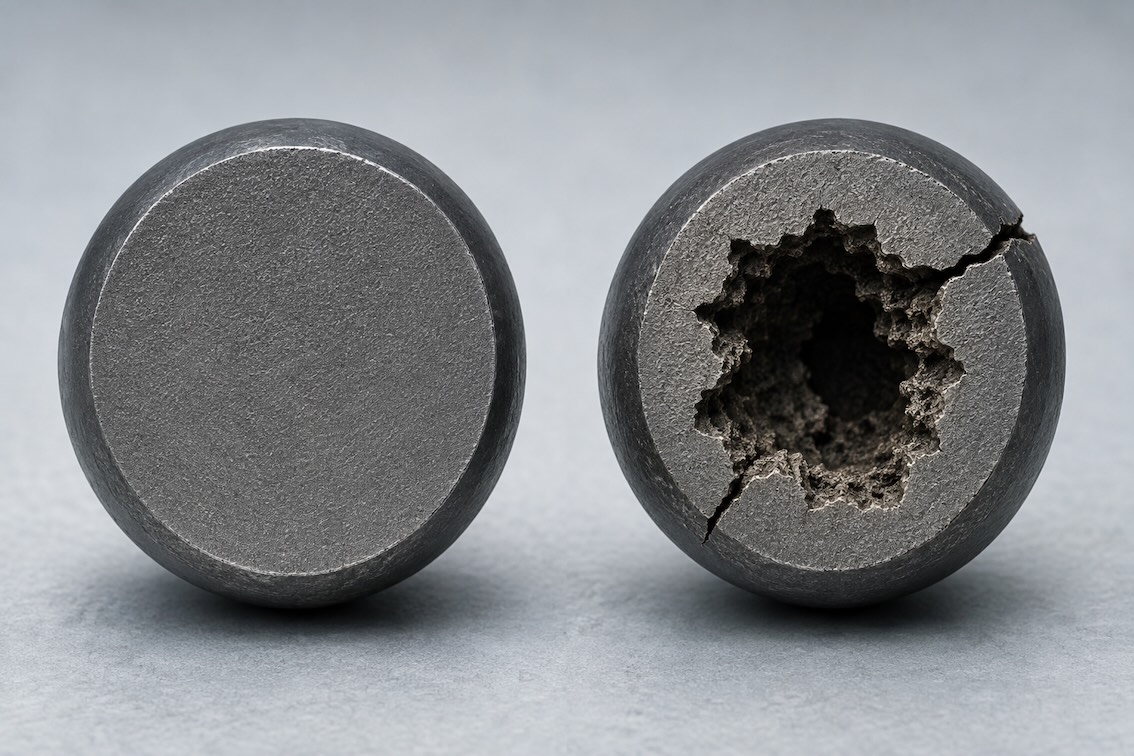
    In recent years, the foundry, steel structure, automotive parts and machinery manufacturing industries have continued to upgrade their production requirements. As a result, the surface treatment industry is no longer focused only on cleaning efficiency. More customers are now paying attention to green manufacturing, smart production, stable quality and total cost control.   The foundry industry is moving toward greener, smarter and higher-quality development. Industry studies on China’s foundry sector also highlight that green manufacturing, intelligent production and high-quality development are becoming important directions during the 14th Five-Year Plan period. At the same time, green and intelligent casting also emphasizes digitalization, automation and process stability.   This trend creates higher requirements for the steel abrasives industry. For products such as steel shot, steel grit and cut wire shot, customers are no longer comparing only unit price. They are also looking at abrasive life, breakage rate, dust generation, surface treatment consistency and total operating cost.   Through smart production, standardized inspection and strict quality control, steel abrasive suppliers can help customers improve shot blasting efficiency, reduce abrasive waste and achieve more stable surface preparation results.     Why Has Green Manufacturing Become an Industry Focus?   In shot blasting and abrasive blasting operations, abrasive media not only affects cleaning performance, but also directly influences dust emission, waste generation, equipment wear and energy consumption.   Studies on sustainable blasting media point out that abrasive blasting has long been considered a process with potential exposure risks to respirable crystalline silica, especially when free-silica-containing abrasives are used. Research data also shows that from 2001 to 2010, around 2 million workers in the United States were potentially exposed to respirable crystalline silica, while the recommended exposure limit was only 0.05 mg/m³.   Therefore, low-dust, low-free-silica and recyclable abrasive media, such as Stainless Steel Cut Wire Shot, are becoming increasingly important in the surface treatment industry.   From a sustainability perspective, green abrasives are generally expected to have six key characteristics: zero free silica content, high efficiency, low media consumption, low waste generation, high recyclability and environmental friendliness. This shows that customers are shifting their focus from purchase price to abrasive durability, breakage rate, dust control, waste disposal and total cost of operation.   In practical media comparison, different abrasive types can show clear differences in dust generation and useful life under specific test conditions. For example, stainless cut wire shot showed a dust generation rate of 0.0042 g/cycle and a useful life of 11,124 cycles. Low carbon steel shot was estimated at around 0.020–0.022 g/cycle for dust generation, with a useful life of 4,498 cycles. Conventional cast steel shot showed a dust generation rate of 0.0254 g/cycle and a useful life of 2,230 cycles under the same comparative context.   Abrasive Media Dust Generation Rate Useful Life Sustainability Advantage Stainless Cut Wire Shot 0.0042 g/cycle 11,124 cycles Lowest dust generation and longest service life in this comparison Low Carbon Steel Shot Approx. 0.020–0.022 g/cycle* 4498cycles Lower breakage, less dust and reduced abrasive consumption Conventional Cast Steel Shot 0.0254 g/cycle 2230 cycles Higher breakage and higher dust generation *Estimated value based on publicly reported 15%–20% lower dust generation compared with conventional high carbon steel shot. Actual dust generation may vary depending on abrasive size, hardness, blasting equipment, impact velocity and working conditions.   These data indicate that abrasives with better durability and lower breakage, including Low Carbon Steel Shot Abrasives, can usually generate less dust, reduce replacement frequency and help lower equipment wear and overall operating cost.   Research on steel shot blasting waste also reported that one metallurgical company generated about 20 tons of steel shot blasting waste per month, which required proper disposal. This further shows that if abrasive media has a high breakage rate and short service life, it can increase waste handling pressure, environmental management cost and long-term operating cost.   As a result, more customers are choosing low-consumption, low-dust, long-life and recyclable metallic abrasives. This is especially important for automatic shot blasting lines, continuous production systems and large-scale foundry cleaning operations, where stable abrasive performance directly affects production efficiency, cost control and green manufacturing performance.       How Does Smart Manufacturing Improve Abrasive Stability? Smart manufacturing helps steel abrasive manufacturers better control key production stages such as melting, atomization, heat treatment, screening and packaging. For steel shot and steel grit production, stable chemical composition, proper hardness range, uniform particle size distribution and reliable internal microstructure all have a direct impact on final blasting performance.   In steel shot manufacturing, the cooling process is one of the key factors affecting product stability. Compared with traditional water quenching, air quenching can reduce water use in the cooling stage and lower wastewater treatment pressure, making the process more aligned with green and low-carbon manufacturing. At the same time, a stable cooling process can help improve internal structure, reduce the risk of internal defects and enhance abrasive durability and service life.   Smart and mechanized production also helps reduce variations caused by manual operation. It makes melting temperature, alloy composition, heat treatment time, screening accuracy and packaging weight more consistent. For customers, this means that different batches of abrasives can perform more consistently in hardness, particle size, impact behavior and cleaning results.   Standardized inspection is another key factor in abrasive stability. Through chemical composition analysis, hardness testing, particle size inspection, metallographic observation and Ervin life testing, manufacturers can identify batch differences and ensure that abrasive products meet stable quality requirements before entering the customer’s blasting system.   Control Point Impact on Abrasive Stability Customer Benefit Melting Control More stable chemical composition Consistent hardness and impact performance Air Quenching / Air Cooling Reduced water use and more stable cooling process Lower wastewater pressure and improved durability Heat Treatment Control Better hardness and toughness balance Lower breakage and longer service life Screening & Classification More uniform particle size distribution More consistent blasting results Standardized Inspection Batch quality verification More reliable supply and fewer quality variations   Therefore, smart manufacturing is not only about automation. More importantly, it uses process control, green cooling technology, standardized inspection and batch traceability to reduce product variation and improve abrasive consistency. For automatic shot blasting lines, continuous production lines and large-scale casting cleaning, stable abrasive performance can help reduce breakage, dust generation and abrasive consumption while improving surface treatment consistency.   How Zhongxing Metal Responds to Industry Trends Facing the trends of green manufacturing and smart production, Shandong Zhongxing Metal Products Co., Ltd. continues to upgrade its production capacity, quality control, environmental process and standardized management. The goal is to provide customers with more stable, reliable and sustainable steel abrasive solutions.   In terms of manufacturing capability, Zhongxing Metal continues to invest in intelligent production. On May 1, 2026, the company put a new intelligent mechanized melting production line into operation, with a total investment of RMB 50 million. After the new line is launched, the company’s annual production capacity will increase to 200,000 tons, with an estimated annual output value of RMB 800 million. This upgrade further strengthens the company’s large-scale production and stable delivery capability for steel shot, steel grit and other metallic abrasives.   In terms of production systems, Zhongxing Metal is equipped with medium-frequency induction furnaces, continuous drying lines, continuous quenching and tempering lines, steel grit crushing and screening lines, automatic weighing and packing systems, wire cutting machines and conditioning equipment. According to company information, the monthly capacity reaches approximately 6,000 MT for steel shot and steel grit, and approximately 3,000 MT for cut wire shot and Conditioned Cut Wire Shot Media. These facilities support continuous production, precise particle size control and stable product performance.   In green manufacturing, Zhongxing Metal integrates environmental considerations into raw material selection, process optimization, energy saving and recycling. The company uses high-quality steel scrap and alloy materials as raw materials, and controls product consistency through melting, atomization, screening, heat treatment and inspection. Metallic abrasives are reusable and recyclable, helping customers reduce waste generation and lower long-term operating cost.   In quality assurance, Zhongxing Metal has established a complete testing system. Each batch of products is inspected for chemical composition and physical performance. The company is equipped with testing instruments such as spectrometer, infrared carbon and sulfur analyzer, elemental analyzer, metallurgical microscope, hardness tester, Ervin life testing machine, sample mounting and polishing equipment. These instruments help control key indicators such as chemical composition, hardness, microstructure, particle size and abrasive life.   Zhongxing Metal has also obtained ISO 9001 Quality Management System, ISO 14001 Environmental Management System and ISO 45001 Occupational Health and Safety Management System certifications. The certification scope covers the production of metal abrasives, including steel shot, steel grit, alloy shot and cut wire shot. These certifications provide important support for international buyers when evaluating supplier reliability, quality consistency, environmental management and long-term cooperation capability.   In the future, competition in the steel abrasives industry will not be based only on price. It will increasingly depend on production capacity, quality stability, delivery capability, technical service and sustainable manufacturing. Zhongxing Metal will continue to support global customers through smart manufacturing, standardized inspection and green production, helping them improve shot blasting efficiency, reduce abrasive consumption and achieve more stable surface treatment results.   References 1. Xu G. Digital and Intelligent Green Casting System for Aluminum Alloy Low-Pressure Metal Mold Casting. Foundry, 2019, 68(4): 347–352.  2. Zulkarnain I., Kassim N. A. M., Syakir M. I., Rahman A. A., Yusuff M. S. M., Yusop R. M., Keat N. O. Sustainability-Based Characteristics of Abrasives in Blasting Industry. Sustainability, 2021, 13(15): 8130. DOI: 10.3390/su13158130.  3. Lermen R. T., Prauchner M. B., Silva R. A., Bonsembiante F. T. Using Wastes from the Process of Blasting with Steel Shot to Make a Radiation Shield in Mortar. Sustainability, 2020, 12(16): 6674. DOI: 10.3390/su12166674.  4. Shot Peener Library. Shot Peening Media — Its Effect on Process Consistency. Technical reference document.
    Read More
inquiry_img
Leave A Message
If you are interested in our products and want to know more details,please leave a message here,we will reply you as soon as we can.
Subscribe Newsletter
Please read on, stay posted, subscribe and we welcome you to tell us what you think

leave a message

leave a message
If you are interested in our products and want to know more details,please leave a message here,we will reply you as soon as we can.
Contact Us: GraceW@zxabrasives.com

home

products

WhatsApp

Contact Us